All praise belongs to Allah. We praise Him, seek His help, and ask His forgiveness. We seek refuge in Allah from the evil within ourselves and the consequences of our deeds. Whoever Allah guides, none can misguide; whoever He leaves astray, none can guide.
I bear witness that none deserves worship except Allah alone, and that Muḥammad is His servant and Messenger. May Allah’s peace and blessings be upon him, his family, and his companions.
Servants of Allah, be mindful of your Lord and prepare to meet Him.
A question awaits us after death: Who is your Lord?
We know the words of the answer. But how has knowing Allah shaped our lives? Whom do we worship? Upon whom do we rely? Whose commands govern our decisions? To whom do we return when we sin or become afraid?
In the narration of al-Barāʾ ibn ʿĀzib, the Prophet ﷺ described the deceased being questioned concerning his Lord, religion, and Messenger— and the steadfastness Allah grants the believer. ¹
Sūrat Al-Mulk helps awaken the recognition that should shape our response.
Ibn Masʿūd reported that Allah protects, through its nightly recitation, against punishment in the grave, and that they called it Al-Māniʿah—the Preventer during the Messenger’s lifetime. ³
Let us cherish its recitation and receive its guidance.
The relationship between its teachings and the grave’s questions is a reflection upon their connected meanings. The narration does not explicitly identify the sūrah as an explanation of those questions.
The sūrah begins:
Allah is exalted in greatness and abundant in goodness. He creates, provides, commands, and judges. He grants life and determines its appointed end.
Human authority is temporary. Positions are lost, plans fail, and rulers die. Allah’s dominion never ends, and His power is never overcome.
Then He says:
Two foundational questions are answered: Who created us? Why are we here?
Allah created us to worship Him, and our lives test how faithfully we respond.
Notice that death is mentioned before life. Among the meanings we may contemplate is that remembering death restores our awareness of life’s purpose. When death disappears from our attention, the concerns of this world can absorb us until we forget why we are here.
Remember it so that you repent without delay, fulfill people’s rights, and prepare for the lasting life.
Work, study, support your family, and serve others. Make those responsibilities part of your preparation to meet Allah.
The test concerns being best in deeds. Worship requires sincerity for Allah and adherence to the guidance of His Messenger ﷺ.
Ask yourself: For whom am I acting? Am I following the guidance Allah has revealed?
The verse ends with two names that keep the heart balanced:
Al-ʿAzīz—the Almighty: you cannot escape His authority.
Al-Ghafūr—the All-Forgiving: you can return to Him after failure.
Take His commands seriously and never despair of His forgiveness.
Allah directs our attention toward the seven heavens:
Look with attention. Who created? Who ordered? Who sustains?
Elsewhere, Allah asks: Is the One who creates like one who does not create?
In Sūrat Al-Ḥajj, Allah declares that those invoked besides Him cannot create even a fly. Then He says:
Reserve your worship for the Creator. Let recognition of His greatness shape your prayer, honesty, trustworthiness, and private conduct.
Al-Mulk then describes those who rejected their Lord being cast into Hell. They hear its dreadful sound as it boils, almost bursting with rage.
Its keepers ask:
They answer:
Then they confess:
They possessed hearing and understanding but failed to benefit from them.
Pride can prevent a person from receiving correction. Attachment to worldly advantage can make obedience seem too costly. We must examine those obstacles within ourselves.
We need guidance that explains the truth, and we need Allah’s enabling help to follow it.
That is why we repeatedly ask:
The condemned finally acknowledge their sin, but their earthly opportunity has ended.
We can still acknowledge, repent, and change. The opportunity to respond to guidance has not yet closed for us.
Allah then says:
Khashyah emphasizes fear informed by knowledge and reverence.
You recognize the greatness of your Lord, so you guard your conduct even when people cannot observe you.
Allah asks:
He knows your intentions, struggles, weaknesses, and repentance.
His knowledge awakens accountability and offers consolation. Your wrongdoing is never hidden, and your sincere efforts are never overlooked.
I ask Allah’s forgiveness for myself and for you. Seek His forgiveness; He is the All-Forgiving, the Most Merciful.
All praise belongs to Allah, Lord of all worlds. May His peace and blessings be upon His Messenger Muḥammad, his family, and his companions.
Servants of Allah, be mindful of Him.
Allah says:
Work and seek a lawful livelihood. Remember that the provision belongs to Him, and the return is to Him.
Notice the instruction concerning livelihood:
Then consider the instruction when the call to Friday prayer is made:
The comparison invites us to examine our priorities. We are told to walk in pursuit of provision, yet to respond earnestly when Allah calls us to His remembrance.
“Proceed earnestly” does not mean running to the prayer. We approach with calmness and dignity. It means giving the obligation our attention, leaving trade, and responding without neglect. ⁵
Sometimes we reverse these priorities: we rush anxiously after worldly gain while delaying obedience to the One who grants it.
Brothers and sisters, do not let seeking provision make you neglect the Provider.
Abū Umāmah رضي الله عنه narrated that the Prophet ﷺ said:
Rūḥ al-Qudus here is Jibrīl عليه السلام. The narration continues by warning against allowing the apparent delay of provision to drive us toward seeking it through disobedience.
This assurance should steady our effort. We seek work, learn skills, and fulfill our responsibilities while remaining within Allah’s limits.
When He calls us to obligatory worship, we respond. When earnings seem delayed, we remain patient. When unlawful gain becomes available, we remember that our need never makes disobedience the path to blessing.
The stable earth can shake. Water overwhelmed the people who rejected Nūḥ, and wind became punishment for ʿĀd. Every created means remains beneath Allah’s command.
Then Allah directs our attention toward the birds— a living illustration of two blessings we deeply need: security and provision.
The Prophet ﷺ reminded us how much we already possess when these blessings accompany good health:
Look, then, at the birds above you. They spread their wings and fold them. They move through the open sky without a visible support beneath them. Yet Allah says:
Their flight invites us to recognize His sustaining care. Their wings are a means He created; their ability to use them is a gift He bestowed. Even as they move beyond the shelter of their nests, they remain dependent upon the Most Merciful.
The One who sustains their flight is also the One who provides their food.
The Prophet ﷺ taught that true reliance upon Allah brings provision like that of the birds: they set out hungry and return full. ⁸
Notice: they go out. They fly, search, and use the abilities Allah has given them. Their example teaches us to take lawful means while placing our hearts’ reliance upon their Creator.
We may therefore reflect upon their flight as a lesson in both protection and provision: Allah sustains them as they travel, and through their movement they seek the food He supplies.
The next two verses turn these concerns into searching questions for those who reject Him:
Who could protect you apart from the Most Merciful?
Who could provide for you if He withheld His provision?
Our deepest anxieties should bring us back to our deepest dependence upon Allah. Take precautions, but remember who grants protection. Work for your livelihood, but remember who grants provision.
Sūrat Quraysh joins these blessings to their proper response:
And Sūrat Al-Naḥl warns of a secure town receiving abundant provision whose people denied Allah’s blessings. Their comfort gave way to hunger and fear. Al-Naḥl 16:112 — meaning.
Al-Mulk then compares two walkers: one fallen upon his face, the other upright upon a straight path.
Which journey are we choosing?
Allah gave us hearing, sight, and hearts. He then reminds us:
Receive His guidance while the opportunity remains.
The sūrah teaches the believer to declare:
Then it leaves us before one final question:
The sūrah begins with dominion over everything and ends with the water we drink.
Our dependence upon Allah is present in every moment.
Let us maintain its nightly recitation, reflect upon its guidance, correct our intentions and conduct, and ask Allah for steadfastness.
O Allah, grant us knowledge of You, reverence for You, sincerity in worship, and truthful reliance upon You.
Make the Qur’an a witness for us. Benefit us through Sūrat Al-Mulk, and grant us its recitation, understanding, and faithful practice.
Forgive us, protect us from punishment in the grave and the Fire, and make us steadfast at death and when questioned.
Send Your peace and blessings upon our Prophet Muḥammad, his family, and his companions.
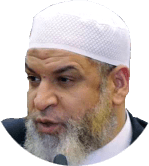
Imam Karim AbuZaid is an Islamic scholar, author, educator, and community leader whose work focuses on Qurʾanic studies, Islamic creed, Daʿwah, education, and the application of revelation to contemporary Muslim life.